 I have a counterpoint to make, one that will dispute some online movie reviewers I like, who, without exception, enjoy Nosferatu. I didn’t enjoy it, but that said, I don’t why not. I mean, by all criteria that we judge movies—the directing, the acting, the atmosphere, etc—it was a good movie, maybe even excellent. But I still did not like it. I didn’t hate it; I just didn’t like it.
I saw Nosferatu twice. The first time, I went to it eager, even excited to see it, and I anticipated I would like it. It had a dark atmosphere that adored! But I left the theater dissatisfied. Later, I turned to the reviewers I liked and respected, expecting they would tell me where the movie failed because if I felt dissatisfied, I expected they would hate it. To my surprise, they liked it, even loved it. What did I miss? What did they see that I didn’t understand? That’s why I bought the second ticket, but alas, I again felt dissatisfied. Disappointed! If anything, I felt more let down than before. I felt frustrated with myself for seeing the movie twice when I knew I didn’t like it.
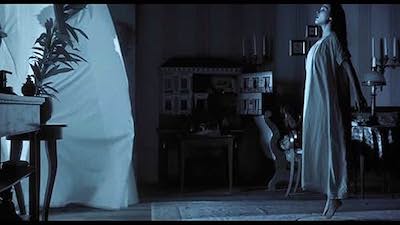
Robert Eggers directed Nosferatu, which stars Bill Skarsgård, Lily-Rose Depp, Nicholas Hoult, and Willem Dafoe. I was impressed with Depp, who played Ellen Hutter. In one scene, she transformed from an arguing wife to something demoniac without any use of special effects. As her husband, Thomas, Hoult taught us the meaning of fear, when he first encountered the vampire. All that was good, and they argued to see the movie—today or if not sooner—and yet, I didn’t like it.
Perhaps the reason lies in history. In 1922, the unscrupulous director, F.W. Murnau, wanted to avoid copyright charges, so he made Nosferatu: Symphony of Horror. Henrik Galeen wrote the screenplay, so maybe he’s to blame for the crime of plagiarism. The plot belonged to the estate of Bram Stroker since he was the writer who gave us Dracula. A great novel! Murnau and company thought so also, and they wanted to film it. Nasty copyright consideration aside. No one will notice! Will they?
Florence Balcombe, Bram Stroker’s widow, and the owner of the rights, did notice. In the lawsuit’s conclusion, she won, and the production had to destroy all the copies. But with worldwide distribution, some copies survived, and now it’s considered a classic. Unaware of this history, I saw it once in the early 2000s, but I didn’t like it then. I found it derivative. Expecting a new take on the vampire legend, I, instead, watched Dracula with the names changed. In 1979, Klaus Kinski starred in Nosferatu the Vampire, and the name was changed back to Dracula. I also saw this movie, but I didn’t like it.
So why the mystery about not liking the current movie? The surprising thing was I expected to enjoy it. But I didn’t. All through the movie, I thought, Why is he called Count Orlok rather than Count Dracula? Why is Mimi called Ellen? Why is Professor Van Helsing called Professor Von Franz? Why the movie is called Nosferatu and not Dracula? Murnau and company made the understandable but unforgivable decision to plagiarize Dracula, but in 2024, with the copyright expired, what not dispense the ruse and make a movie called Dracula?
When I saw the trailer, I thought the movie was Dracula until they revealed the title as Nosfuratu. And I remember feeling disappointed about it even then. We can’t forgive plagiarism just because it happened a hundred years ago. Can we? I can’t, and that is the source of my dissatisfaction. Call the movie Dracula and I would like it, I’m sure.
I blame Eggers. He should’ve known better! He’s a talented director. Of his early movies, I saw The Witch and The Lighthouse, and I enjoyed them both. But that is just it. Both movies told us an original story. If Eggers came to me and said, “I want to make a vampire story,” I would’ve said, “Please do!” And I would of sat in eager anticipation until the release date. But if he said, “I want to remake Nosferatu,” I would answer, “Eh, I don’t know about that.”
But maybe that is the real reason for my dissatisfaction: the opportunity loss. Like The Witch has reinvented the legend of witches, we could have a vampire that pushed the legend in a new and exciting way. Instead, we got Nosferatu.